
Your Pet Is Getting Older, but Life Can Still Be Wonderful
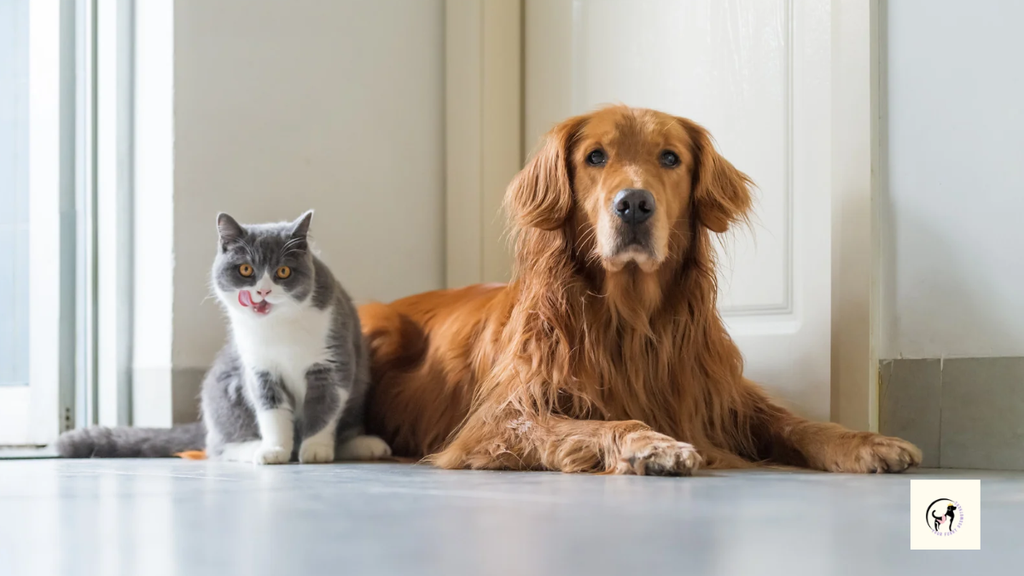
There’s something about watching a beloved pet grow older that touches us in a way few other experiences can.
One day, our dog is racing across the yard, and our cat is leaping onto the highest piece of furniture. Then, almost without noticing when it happened, we realize they’re moving a little more slowly. Maybe they’re sleeping longer, taking their time on walks, or thinking twice before making that familiar jump.
It’s tempting to shrug and say, “Well, they’re just getting old.”
But here’s something I want every pet parent to remember: Getting older isn’t the same as being sick, and slowing down doesn’t mean the good times are over.
The Little Changes That Tell Us So Much
Our pets can’t explain what they’re feeling, but they’re remarkably good at showing us when something changes.
An older dog might hesitate before climbing the stairs. A cat who once jumped effortlessly onto the bed might begin looking for an easier route. A pet who always greeted you at the door may suddenly prefer to stay in a favorite sleeping spot.
Sometimes these changes are related to aging. Sometimes they indicate discomfort, illness, or a problem that can be treated.
That’s why knowing what’s normal for your particular pet is so important.
Pay attention to changes in appetite, thirst, weight, activity, grooming, bathroom habits, sleep, and personality.
And don’t rely on memory alone. Write things down. A few notes, photographs, or short videos can help your veterinarian understand what’s happening.
Comfort Becomes More Important Than Ever
One of the loveliest things we can do for our aging pets is make everyday life a little easier.
A dog with stiff joints may appreciate a comfortable, supportive bed and rugs that provide traction on slippery floors.
A cat who no longer enjoys jumping might appreciate a small set of pet steps or a ramp leading to a favorite resting place.
Food and water should be easy to reach. Litter boxes may need lower entrances. Walks may need to become shorter and more leisurely.
And sometimes the most valuable adjustment is simply allowing a little more time.
An older dog may still love a walk, even if that walk now consists mostly of sniffing every blade of grass along the sidewalk.
That’s not necessarily a lesser experience. It’s simply a different one.
Don’t Assume Everything Is Just Old Age
This is especially important.
Arthritis, dental problems, kidney disease, thyroid disorders, and other medical conditions can affect older pets. Many are treatable or manageable, particularly when recognized early.
Changes in drinking, urination, appetite, weight, mobility, or behavior deserve veterinary attention.
Senior pets may benefit from veterinary examinations and screening tests more frequently than younger animals. Your veterinarian can recommend a schedule based on your pet’s individual needs.
Sudden weakness, breathing difficulties, collapse, or other severe symptoms require immediate veterinary attention.
The goal isn’t to spend every day worrying about what might happen.
It’s to recognize problems early enough to give our pets the best possible care.
Let Them Enjoy the Life They Have Today
I think this may be my favorite part of caring for senior pets.
Our animals don’t measure their happiness by how fast they can run or how high they can jump.
They still appreciate familiar voices, favorite people, comfortable places, interesting smells, gentle attention, and predictable routines.
Some pets become more affectionate as they age. Others appreciate a little more quiet time.
We don’t need to insist that they behave exactly as they did when they were young. We can learn to enjoy who they are becoming.
And when their abilities change, we can help them continue doing the things they love, safely and comfortably.
Growing Older Together
The senior years can be some of the most meaningful years we share with our animals.
We’ve learned their personalities, their little habits, their preferences, and their peculiarities. We recognize the difference between an ordinary sleepy afternoon and a day when something just doesn’t seem right.
That knowledge is one of the greatest gifts we can offer them.
Our job isn’t to stop time. We can’t.
But we can pay attention, make thoughtful adjustments, seek veterinary care when needed, and help our beloved companions remain comfortable and engaged in life.
If you prefer listening instead of reading, you can see our new video here: https://youtube.com/shorts/Zc68wkveVcI
Because getting older doesn’t mean life stops being wonderful. It simply means we may need to find new ways to enjoy it together.
At Your Furry Godmothers, we believe in comfort and compassion for every pet in every stage of life.